


Lorraine Hansberry: A Voice for Black Life in Segregated America, Born May 19

Written by Malik Gamble
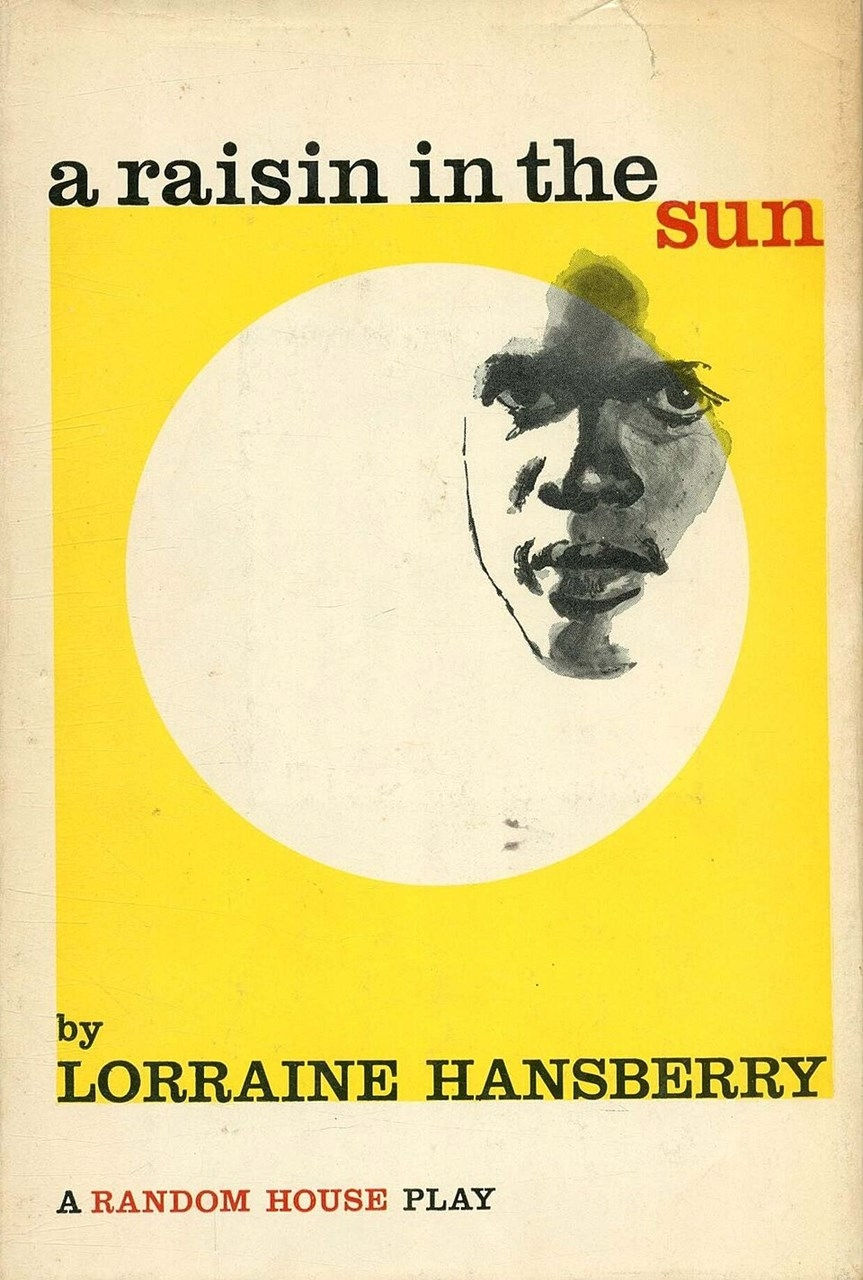
Lorraine Vivian Hansberry was an American playwright and writer. She was the first Black American female author to have a play performed on Broadway. Hansberry's best-known work, the play A Raisin in the Sun, highlights the lives of Black Americans in Chicago living under racial segregation.
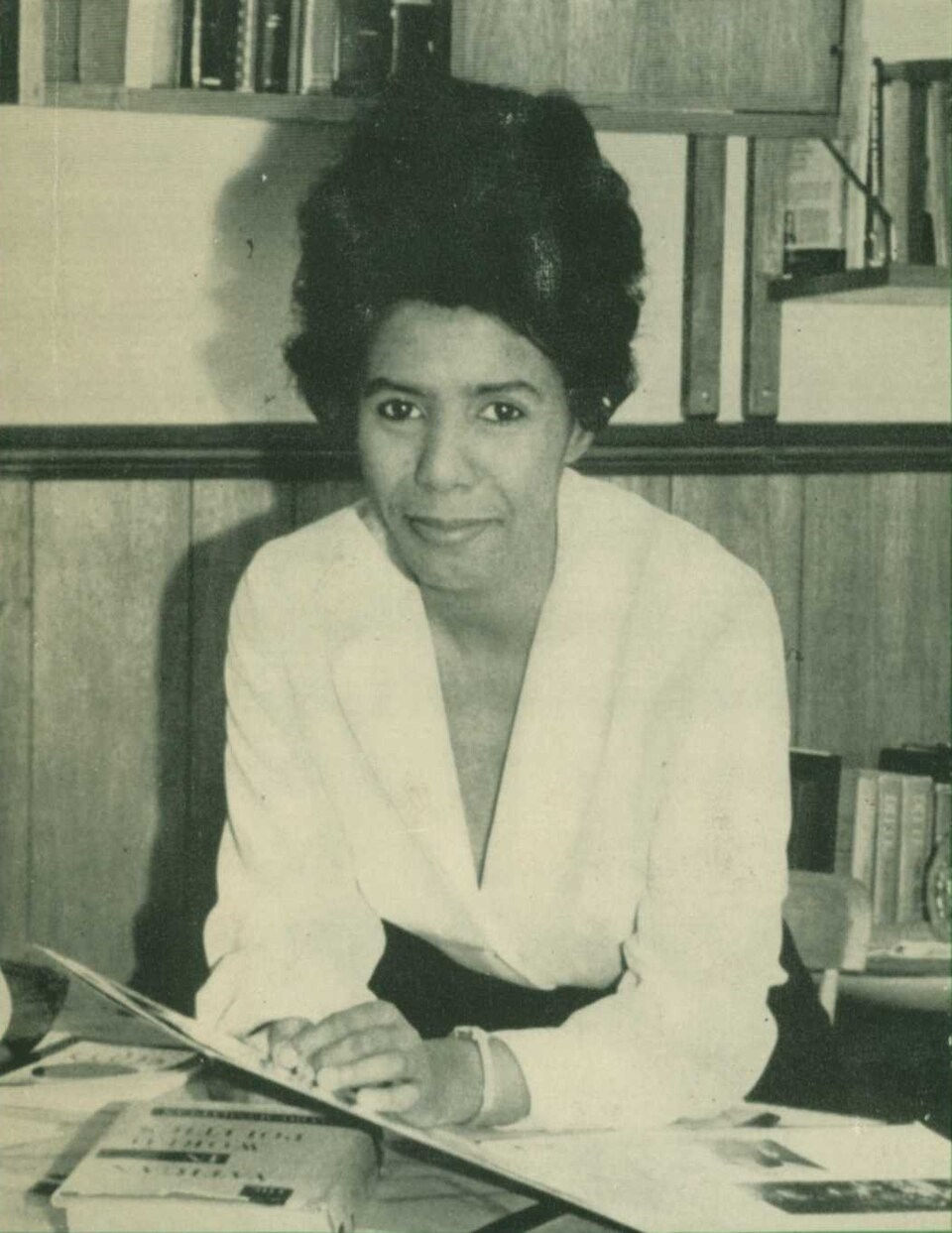
A Raisin in the Sun opened on January 26, 1959, at the Walnut Street Theatre. When the curtains closed, playwright Lorraine Hansberry found herself in an alleyway outside with her lifelong friend James Baldwin, immediately swarmed by a crowd seeking autographs. “The Black people crowding around Lorraine,” Baldwin would later write in the intro of Hansberry’s memoir To Be Young, Gifted and Black, “whether or not they considered her an artist, assuredly considered her a witness.” It was a fitting word. Already on society’s periphery — as a Black woman, a lesbian, a communist — Hansberry spent most of her life on the outside looking in. It was precisely this position that made her one of the most astute artists of her generation.
Lorraine Vivian Hansberry was born May 19, 1930, in Chicago, to a family that had migrated north during the Great Migration. The Hansberrys were relatively affluent — her father a real-estate broker, her mother a local politician — yet were still crowded into the tenement-like housing of Chicago’s Black working class in the South Side. This tension between privilege and confinement was formative: When the five-year-old Hansberry was gifted a white fur coat during the Depression, as Anne Cheney notes in the biography Lorraine Hansberry, she was “assailed with fists, curses, and inkwells” by her poorer classmates. Rather than resent them, she respected those “who refused to apologize for [their] poverty.” The class contradictions she lived inside became the very marrow of her art. Multiple Black intellectuals — W.E.B. Du Bois, Langston Hughes, Paul Robeson — visited the Hansberrys, but it was Robeson that showed her art and politics could exist in union; a belief she carried for the rest of her life.


